

FEMALE HAIR TRANSPLANT
FEMALE HAIR TRANSPLANT
LET’S GET YOUR HAIR BACK
Our team of experienced consultants are here to help you, fill in your details and we can start talking about your treatments.
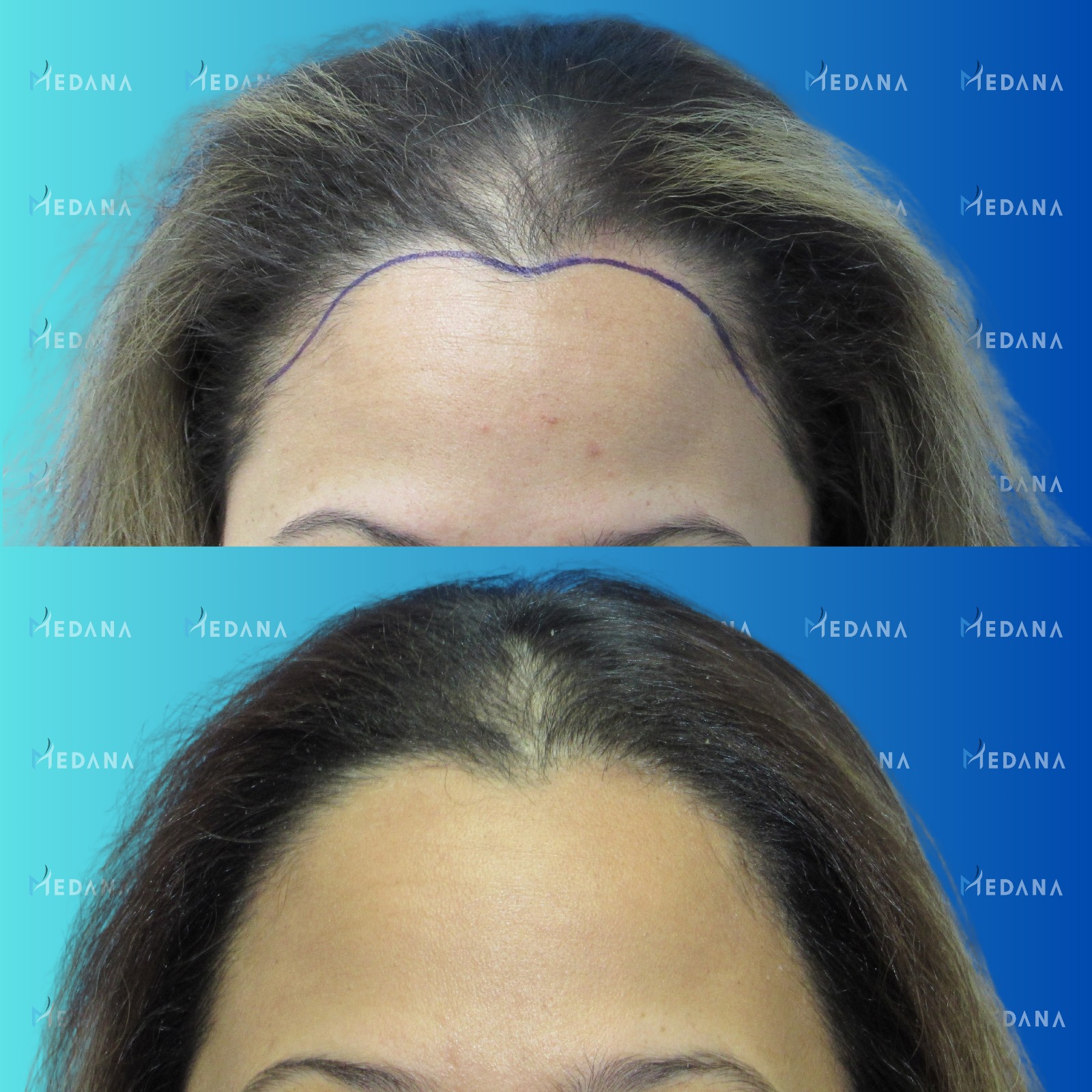
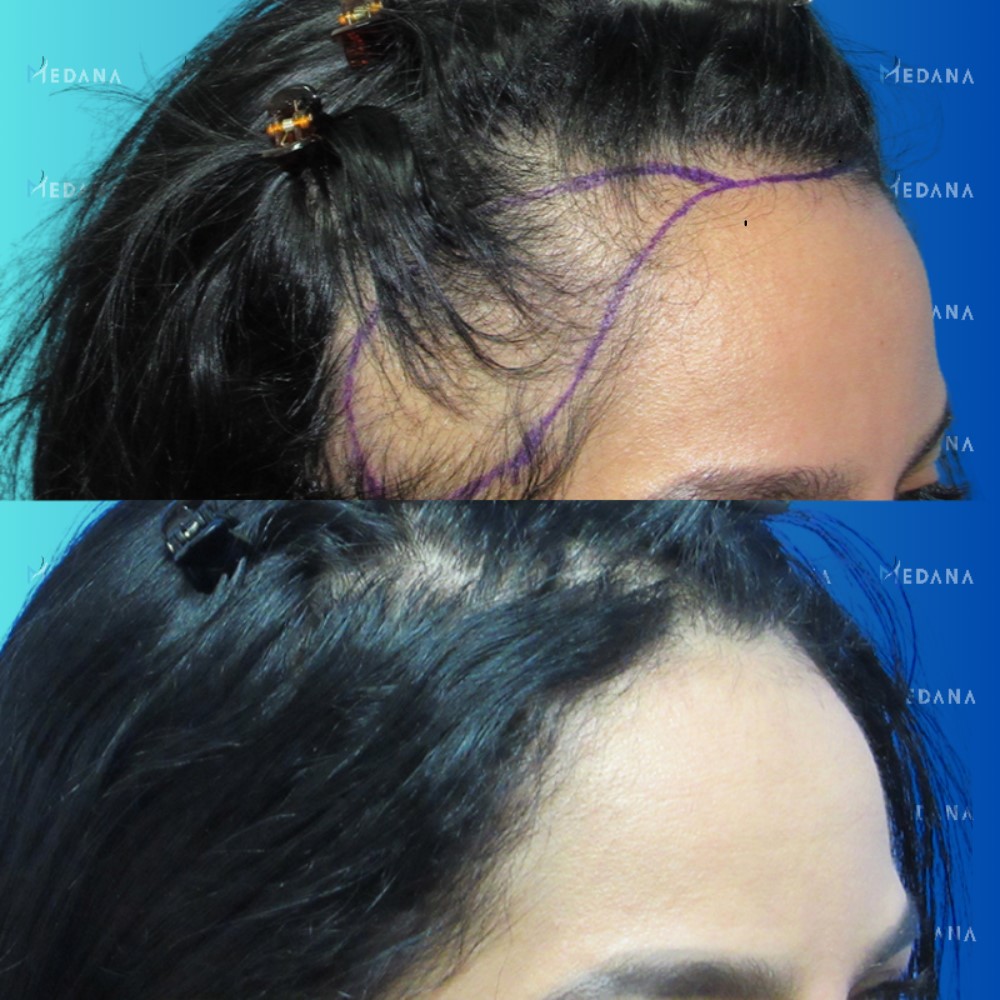
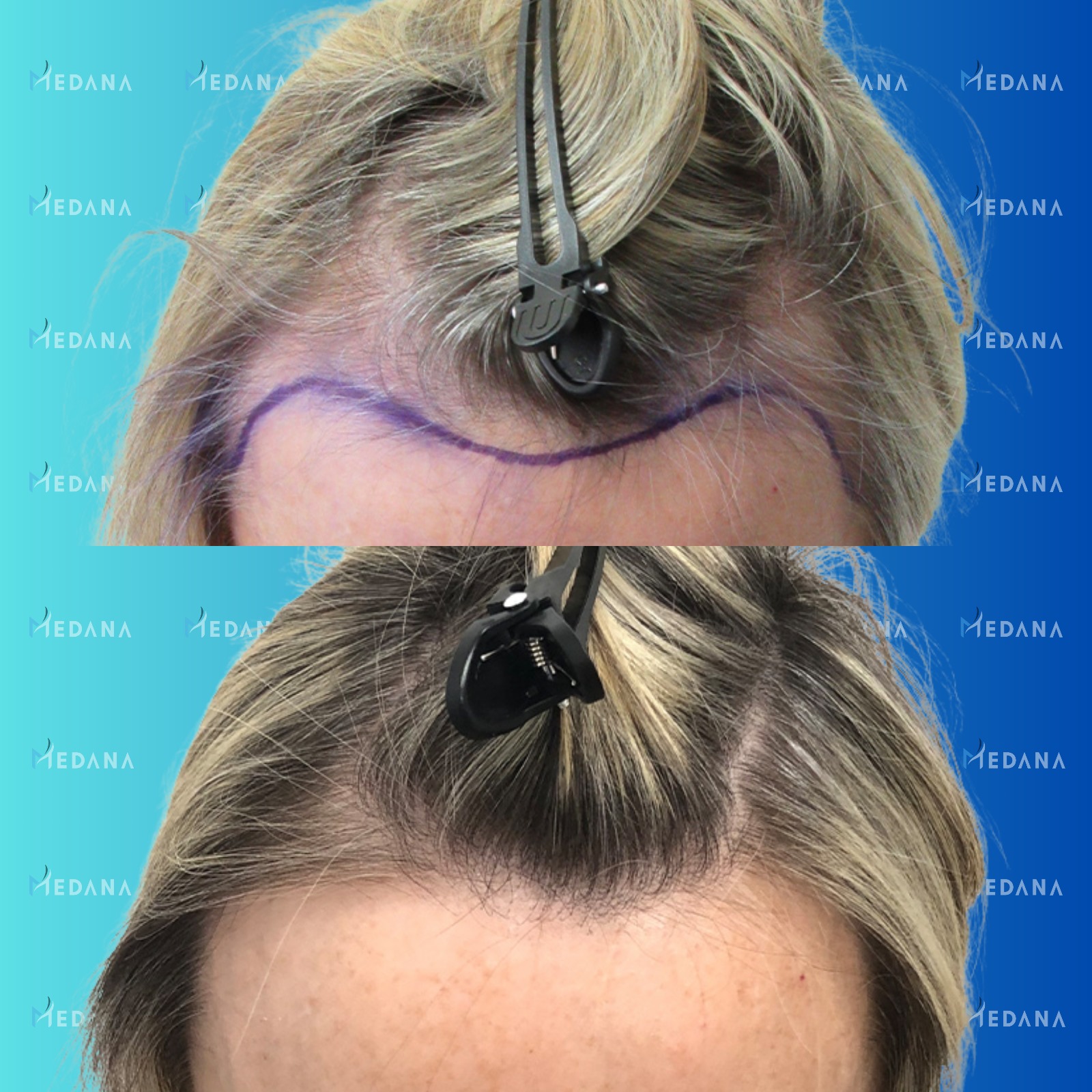
Women commonly experience the daily loss of 50 to 100 individual hairs, which is a normal aspect of the natural hair cycle. Hair shedding is a natural process where some hairs fall out while others grow in. However, when the balance is disrupted, and less hair grows back, it leads to noticeable hair loss. It’s essential to distinguish between hair shedding and true hair loss, with “alopecia” being the medical term for the latter. Here are several factors contributing to hair loss in women:
➢ Anagen Effluvium: Hair loss occurs when medication toxins affect actively growing hair follicles, as seen in treatments like chemotherapy.
➢ Telogen Effluvium: This type of hair loss results from an increased number of hair follicles entering the telogen phase, causing hair to start falling out.
➢ Female Pattern Alopecia: The most prevalent form of female hair loss, characterized by thinning hair on the sides and top of the head.
➢ Hormonal Changes: Fluctuations in hormones, often associated with pregnancy or aging, can contribute to changes in hair growth patterns.
➢ Menopause: Post-menopausal or postpartum symptoms can lead to hair loss in women during this phase of life.
➢ Medications: Certain medications, such as those prescribed for thyroid problems, may contribute to hair loss as a side effect.
➢ Stress: Stress and depression are significant contributors to hair loss in women. Emotional well-being plays a crucial role in maintaining healthy hair.
➢ Dietary Issues: Hair loss in women can be linked to dietary problems, including conditions like bulimia, crash diets, or deficiencies in specific nutrients.
Understanding the various causes of hair loss is pivotal in addressing and managing the condition effectively. If you’re experiencing significant hair loss, seeking professional advice is recommended to identify the specific cause and explore suitable treatment options.
Women commonly experience the daily loss of 50 to 100 individual hairs, which is a normal aspect of the natural hair cycle. Hair shedding is a natural process where some hairs fall out while others grow in. However, when the balance is disrupted, and less hair grows back, it leads to noticeable hair loss. It’s essential to distinguish between hair shedding and true hair loss, with “alopecia” being the medical term for the latter. Here are several factors contributing to hair loss in women:
➢ Anagen Effluvium: Hair loss occurs when medication toxins affect actively growing hair follicles, as seen in treatments like chemotherapy.
➢ Telogen Effluvium: This type of hair loss results from an increased number of hair follicles entering the telogen phase, causing hair to start falling out.
➢ Female Pattern Alopecia: The most prevalent form of female hair loss, characterized by thinning hair on the sides and top of the head.
➢ Hormonal Changes: Fluctuations in hormones, often associated with pregnancy or aging, can contribute to changes in hair growth patterns.
➢ Menopause: Post-menopausal or postpartum symptoms can lead to hair loss in women during this phase of life.
➢ Medications: Certain medications, such as those prescribed for thyroid problems, may contribute to hair loss as a side effect.
➢ Stress: Stress and depression are significant contributors to hair loss in women. Emotional well-being plays a crucial role in maintaining healthy hair.
➢ Dietary Issues: Hair loss in women can be linked to dietary problems, including conditions like bulimia, crash diets, or deficiencies in specific nutrients.
Understanding the various causes of hair loss is pivotal in addressing and managing the condition effectively. If you’re experiencing significant hair loss, seeking professional advice is recommended to identify the specific cause and explore suitable treatment options.
