Beard Transplant

BEARD TRANSPLANT

BEARD TRANSPLANT

LET’S GET YOUR HAIR BACK

Our team of experienced consultants are here to help you, fill in your details and we can start talking about your treatments.

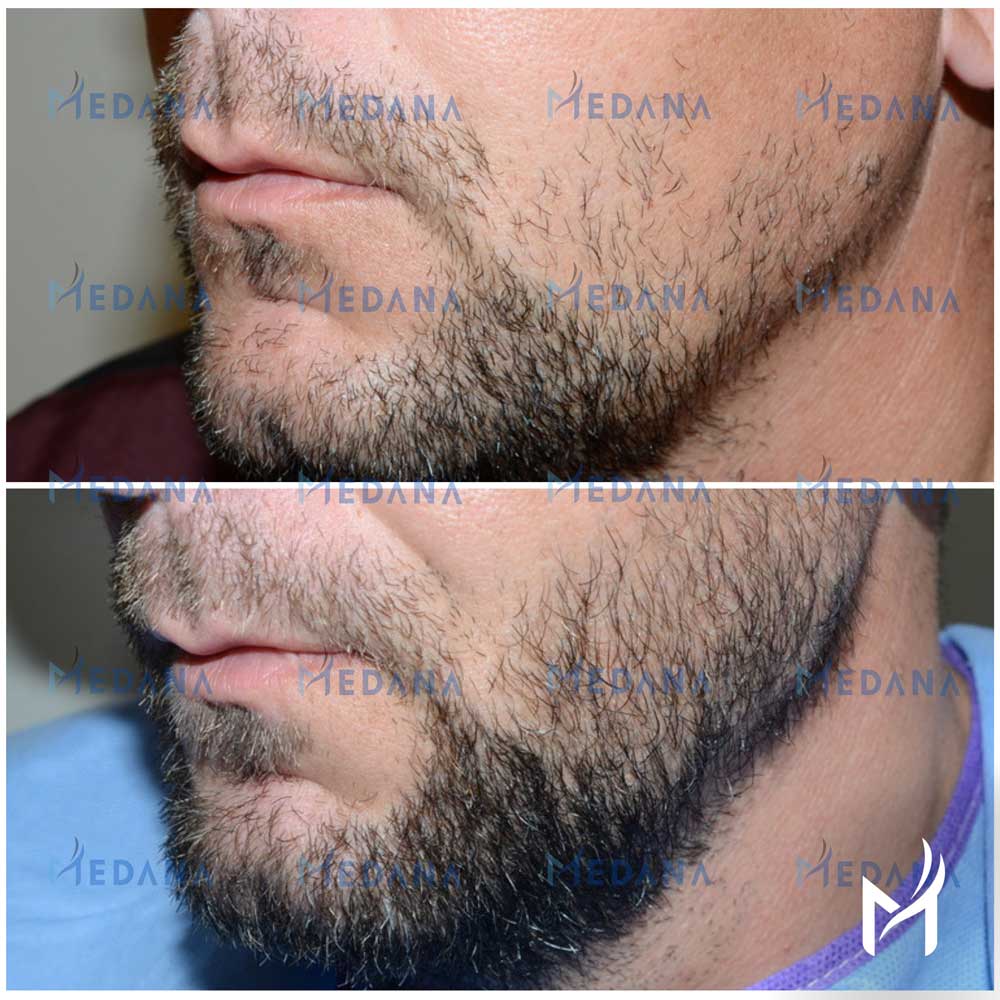
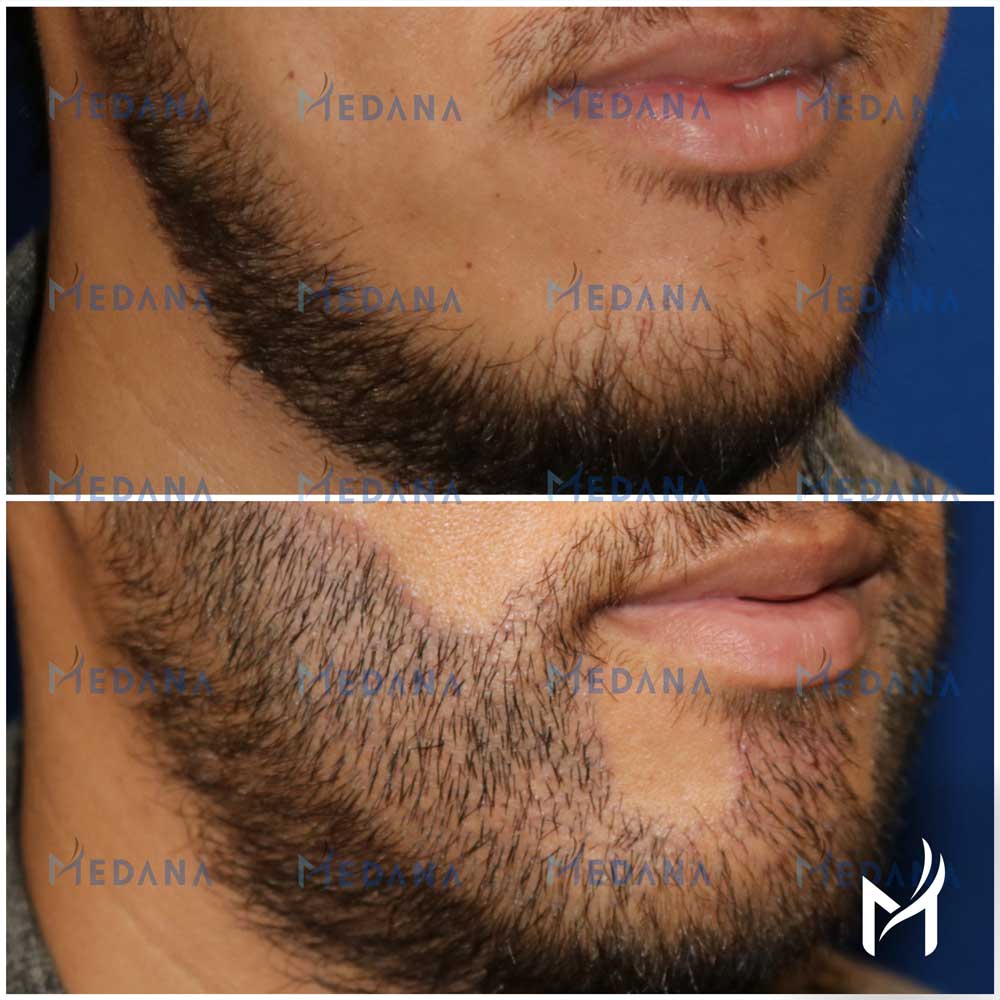
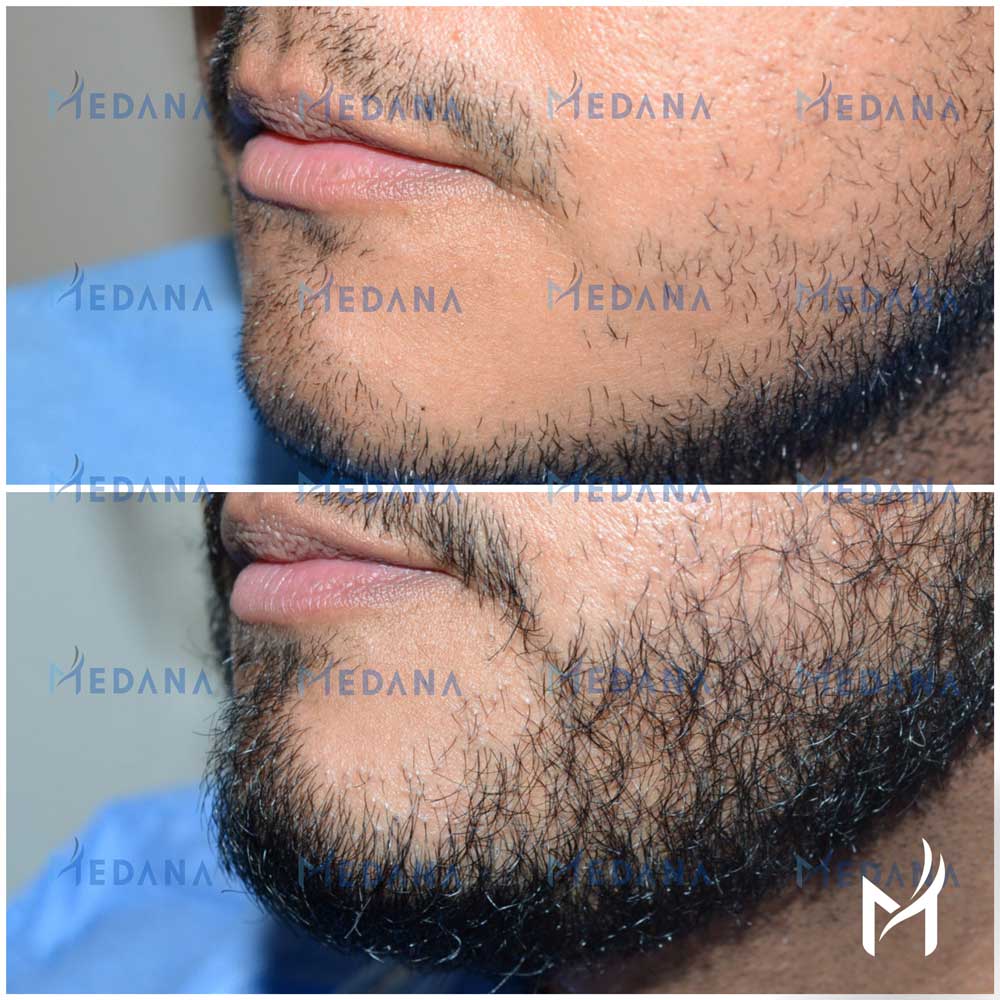
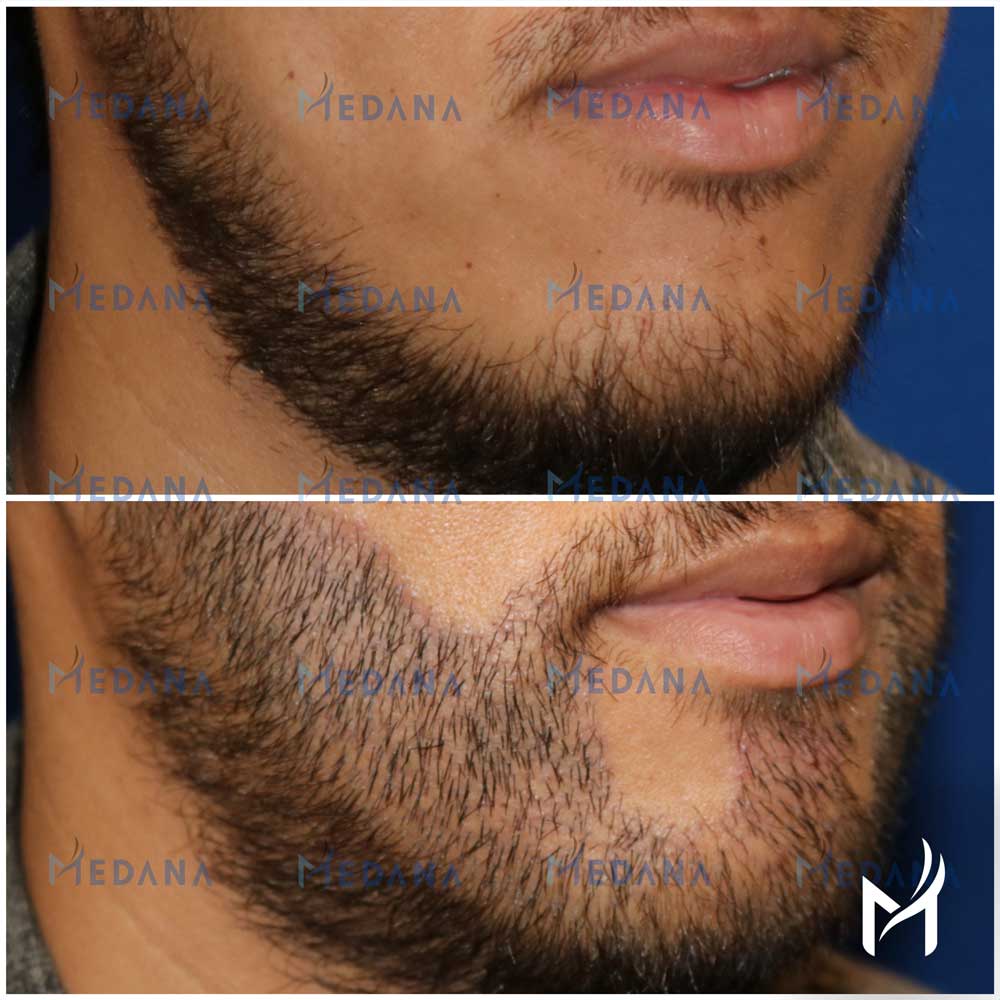
Beard transplant is a surgical intervention amalgamating cosmetic and aesthetic procedures. This technique involves the extraction of scalp hair follicles and their subsequent transplantation into the facial beard area. The primary objective is to address deficiencies in beard density, providing individuals with the desired enhancement and definition of facial hair. This procedure is often sought by individuals experiencing patchy or inadequate beard growth, aiming to achieve a more aesthetically pleasing and fuller beard.

Our well experienced MEDANA specialist can assess potential risks and set realistic expectations.

The absence or sparse growth of a beard can be attributed to various factors, both genetic and hormonal. Here are some reasons why some individuals may not have a beard or experience limited facial hair growth:

Why the beard is not growing up before the transplant?

  1. Genetics: Genetic factors play a significant role in determining the growth and pattern of facial hair. If an individual has a family history of limited beard growth, it is likely that genetics are a contributing factor.
  2. Hormonal Factors: Testosterone, a male sex hormone, plays a crucial role in the development of facial hair. Some individuals may have lower levels of testosterone, which can result in reduced facial hair growth. Hormonal imbalances or disorders can also influence beard development.
  3. Age: Facial hair often continues to develop and thicken throughout adolescence and into early adulthood. Younger individuals may not have fully matured facial hair patterns, and beard growth can continue into the mid-20s or even later for some.
  4. Ethnicity: Beard growth patterns can vary among different ethnic groups. Some individuals from certain ethnic backgrounds may naturally have less facial hair or a different distribution pattern.
  5. Medical Conditions: Certain medical conditions or treatments, such as alopecia areata, hormonal disorders, or the side effects of some medications, can impact beard growth.
  6. Stress and Lifestyle: Chronic stress and an unhealthy lifestyle can contribute to hormonal imbalances, which may affect facial hair growth. Adequate sleep, a balanced diet, and a healthy lifestyle can positively influence overall health, including beard development.
  7. Personal Variation: Individual variation in hair growth patterns is entirely normal. Not everyone will have the same extent or density of facial hair, even among individuals with similar genetics.

Beard transplant is a surgical intervention amalgamating cosmetic and aesthetic procedures. This technique involves the extraction of scalp hair follicles and their subsequent transplantation into the facial beard area. The primary objective is to address deficiencies in beard density, providing individuals with the desired enhancement and definition of facial hair. This procedure is often sought by individuals experiencing patchy or inadequate beard growth, aiming to achieve a more aesthetically pleasing and fuller beard.

Our well experienced MEDANA specialist can assess potential risks and set realistic expectations.

The absence or sparse growth of a beard can be attributed to various factors, both genetic and hormonal. Here are some reasons why some individuals may not have a beard or experience limited facial hair growth:

Why the beard is not growing up before the transplant?

  1. Genetics: Genetic factors play a significant role in determining the growth and pattern of facial hair. If an individual has a family history of limited beard growth, it is likely that genetics are a contributing factor.
  2. Hormonal Factors: Testosterone, a male sex hormone, plays a crucial role in the development of facial hair. Some individuals may have lower levels of testosterone, which can result in reduced facial hair growth. Hormonal imbalances or disorders can also influence beard development.
  3. Age: Facial hair often continues to develop and thicken throughout adolescence and into early adulthood. Younger individuals may not have fully matured facial hair patterns, and beard growth can continue into the mid-20s or even later for some.
  4. Ethnicity: Beard growth patterns can vary among different ethnic groups. Some individuals from certain ethnic backgrounds may naturally have less facial hair or a different distribution pattern.
  5. Medical Conditions: Certain medical conditions or treatments, such as alopecia areata, hormonal disorders, or the side effects of some medications, can impact beard growth.
  6. Stress and Lifestyle: Chronic stress and an unhealthy lifestyle can contribute to hormonal imbalances, which may affect facial hair growth. Adequate sleep, a balanced diet, and a healthy lifestyle can positively influence overall health, including beard development.
  7. Personal Variation: Individual variation in hair growth patterns is entirely normal. Not everyone will have the same extent or density of facial hair, even among individuals with similar genetics.

MAKE YOUR CHOISE & BOOK NOW YOUR FREE OF CHARGE CONSULTATION


When the bread transplant result be visible?


The temporal progression of visible results following a beard transplant is contingent upon several factors, encompassing individual physiology and adherence to postoperative care protocols. A structured timeline is as follows:


Resolution of Acute Effects: Immediate postoperative effects, such as edema and erythema, gradually resolve within the initial two weeks. Initiation of Healing: The commencement of the healing process is underway, marked by scab formation and the establishment of a foundation for subsequent growth.

Evolution of Healing: The second to sixth weeks witnesses the progressive resolution of scabs and crusting, with nascent hair growth potentially becoming discernible. Transition Period: Patients may observe a temporary shedding of transplanted hairs, indicative of the follicular transition phase.

Visible Signs of Growth: A more substantive manifestation of hair growth becomes perceptible between the third to sixth months postoperatively. Varied Individual Response: Individual responses may differ, with some experiencing more pronounced early growth than others.

Continued Improvement: Progressive enhancement in beard density and definition continues through the sixth to twelfth months. Integration with Natural Hair: Transplanted hairs mature, integrating seamlessly with existing facial hair for a more cohesive appearance.

Optimal Outcome: The culmination of the process results in the realization of the optimal and enduring outcome, typically evident after twelve months. Patient Education: Patients are apprised of the protracted nature of the growth and maturation process, underscoring the importance of patience.


Ongoing surveillance through scheduled follow-up appointments facilitates continuous evaluation of progress and affords the opportunity to address any inquiries or concerns. Patient compliance with postoperative directives is paramount for the optimization of recovery and ultimate aesthetic goals.

Request your free consultation with our expert team

Elevate your hair restoration journey. Request a consultation with our experts at Medana Clinic. Precision, professionalism, and personalized solutions await. Schedule your free consultation today

[vc_row][vc_column]


    [/vc_column][/vc_row]

    FAQ About Beard Transplant

    1How does a beard transplant work?
    A beard transplant involves the extraction of hair follicles from a donor area (usually the back of the scalp) and their transplantation into the beard area. The procedure can be performed using techniques like Follicular Unit Extraction (FUE).
    2Is a beard transplant a painful procedure?
    Beard transplant procedures utilize local anesthesia for minimal discomfort. Postoperative pain is typically manageable with prescribed medications. It's advisable to discuss pain management and expectations with our experts.
    3Am I a suitable candidate for a beard transplant?
    You may be a suitable candidate for a beard transplant if you have areas with sparse beard growth, a healthy donor hair source, good overall health, realistic expectations, and the patience for gradual results. Consultation with our qualified specialist is essential to assess your specific situation and determine candidacy.
    4What is the recovery process like after a beard transplant?
    The recovery period typically involves some swelling and redness in the transplanted area, but this is temporary (10 days). Patients are advised to follow post-operative care instructions, which may include avoiding certain activities and medications. Full results may take several months to a year to become apparent.
    5How long does it take to see the full results of a beard transplant?
    The full results of a beard transplant typically become evident within 6 to 12 months. Initial growth may be visible in the first few weeks, followed by a shedding phase and dormancy. Continued patience and adherence to postoperative care instructions are crucial for achieving the best and lasting results.

    Contact Our Medical Team Today