EYEBROW TRANSPLANT

EYEBROW TRANSPLANT

LET’S GET YOUR HAIR BACK

Our team of experienced consultants are here to help you, fill in your details and we can start talking about your treatments.

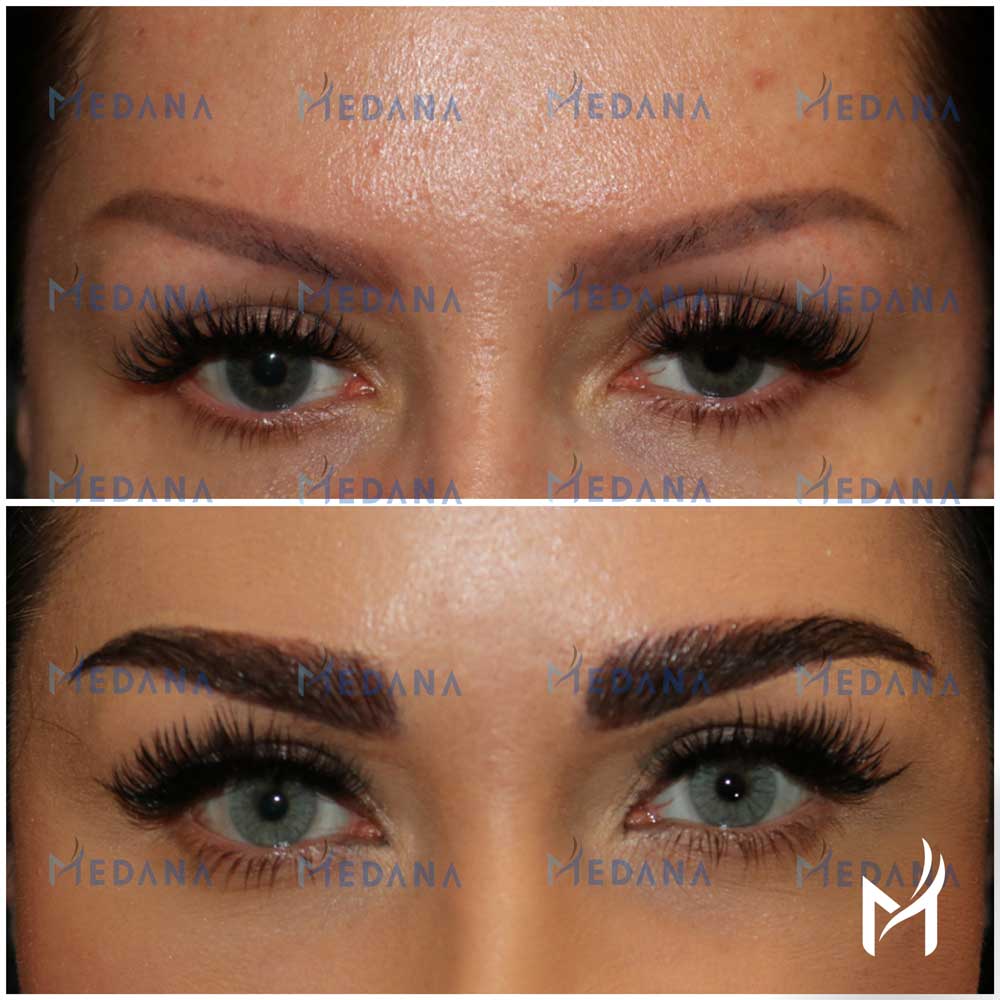
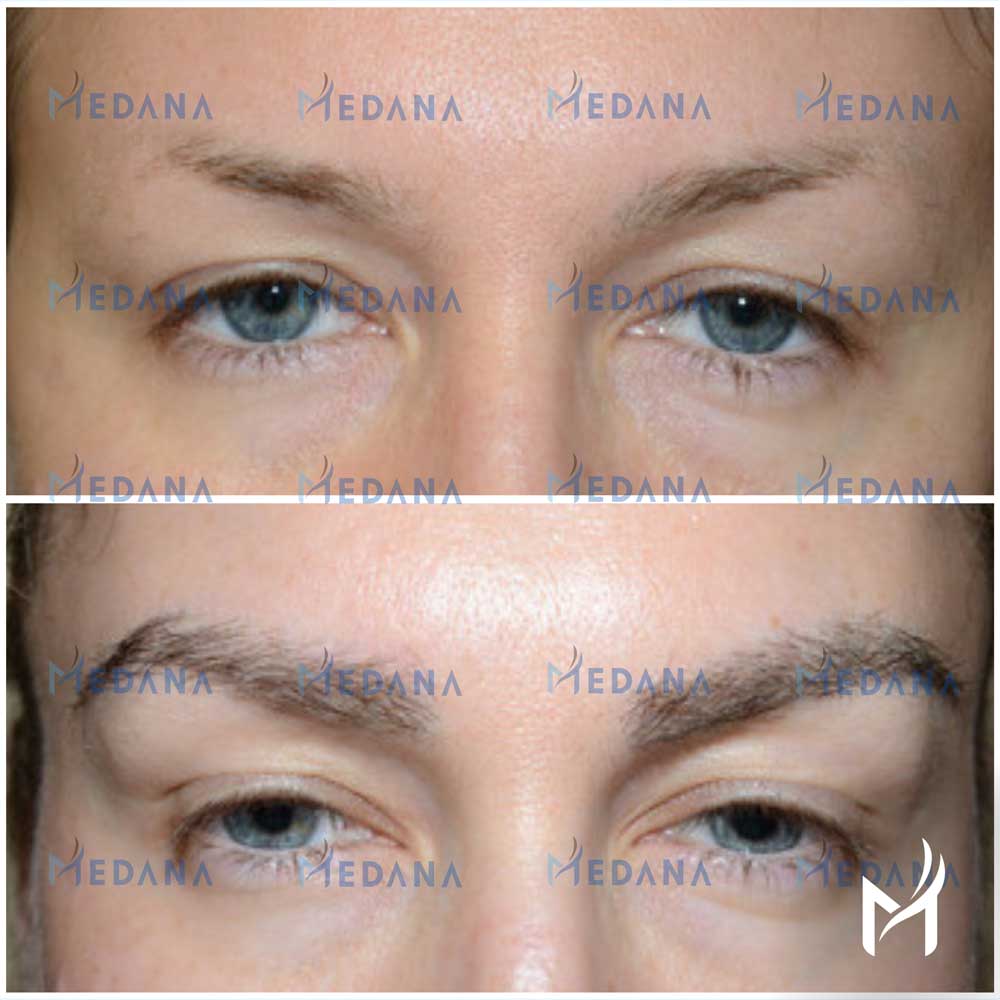
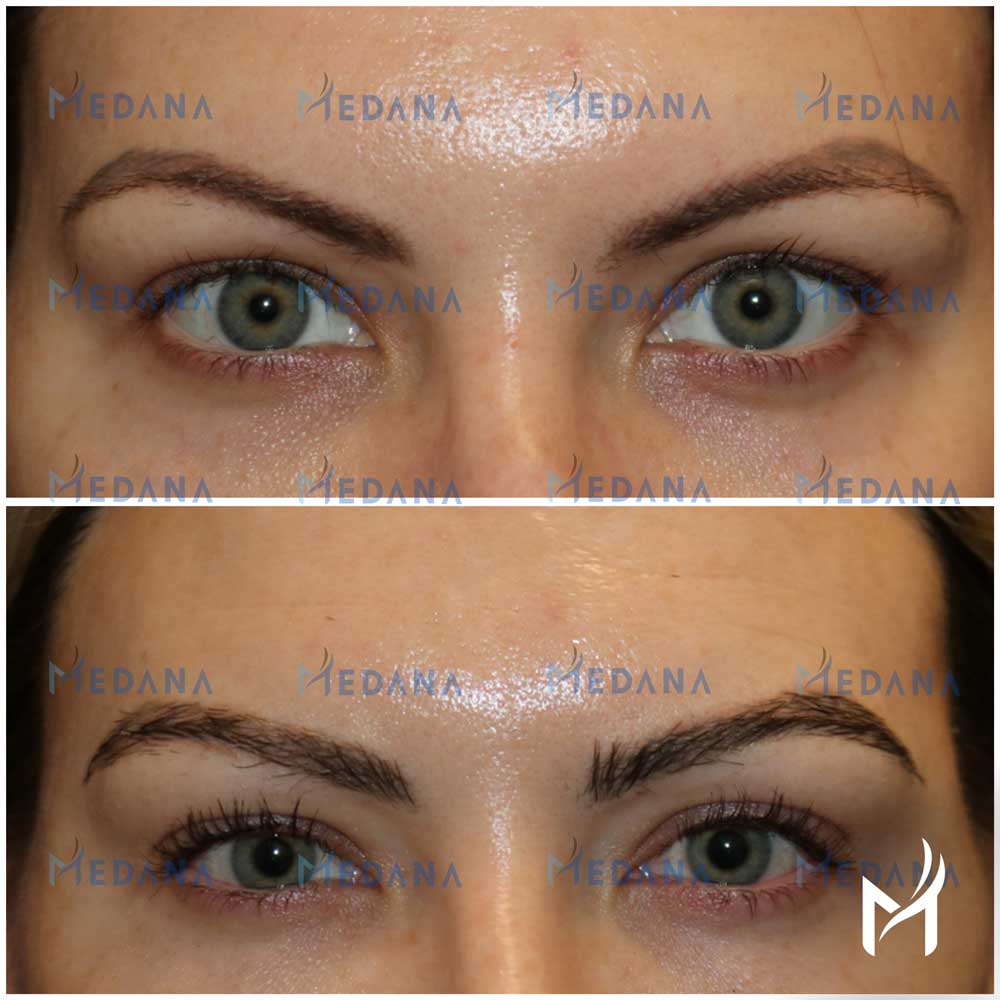
An eyebrow hair transplant is a cosmetic surgery procedure where scalp hair follicles from the scalp are transplanted to the eyebrow area to enhance or restore eyebrow density. This outpatient surgery is conducted under local anesthesia, involving precise placement of individual follicles to achieve a natural appearance. The transplanted hair initially sheds but regrows over a few months, offering a lasting solution for those with thin or sparse eyebrows. Our well experienced MEDANA specialist can assess potential risks and set realistic expectations.

Which technique is suitable for an eyebrow hair transplant? FUE or DHI?

Both FUE (Follicular Unit Extraction) and DHI (Direct Hair Implantation) are recognized techniques for eyebrow hair transplants, each with its own set of advantages and considerations. The selection between these methods should be made based on careful assessment of individual factors, patient preferences, and the expertise of the surgeon.

  • Method: FUE involves the extraction of individual follicular units from the donor area, followed by their meticulous transplantation into the eyebrow region.
  • Advantages: FUE avoids the creation of a linear scar, allowing for a more dispersed extraction pattern. It is particularly suitable for patients desiring shorter hairstyles.
  • Considerations: The procedure may require a more extended harvesting time, and the overall yield of grafts may be slightly lower compared to alternative methods.

  • Method: DHI is an advanced form of FUE where follicles are directly implanted into the recipient area using a specialized Choi Implanter Pen, offering precise control over depth and angle.
  • Advantages: DHI provides meticulous control over the implantation process, resulting in a well-defined and natural-looking eyebrow shape.
  • Considerations: Mastery of DHI techniques may demand a steeper learning curve for surgeons due to specialized tools and methodologies.

The decision between FUE and DHI for an eyebrow hair transplant necessitates a comprehensive consultation with one of our specialists. Factors such as patient-specific requirements, aesthetic goals, and the surgeon's proficiency is thoroughly evaluated to determine the most suitable technique for optimal results. Our patients are encouraged to engage in open discussions with our senior specialist to ensure a well-informed decision aligned with their expectations and desired outcomes.

An eyebrow hair transplant is a cosmetic surgery procedure where hair follicles, often from the scalp, are transplanted to the eyebrow area to enhance or restore eyebrow density. This outpatient surgery is conducted under local anesthesia, involving precise placement of individual follicles to achieve a natural appearance. The transplanted hair initially sheds but regrows over a few months, offering a lasting solution for those with thin or sparse eyebrows. As with any surgery, it's crucial to consult with a qualified surgeon to assess potential risks and set realistic expectations.

Which technique is suitable for an eyebrow hair transplant? FUE or DHI?

Both FUE (Follicular Unit Extraction) and DHI (Direct Hair Implantation) are recognized techniques for eyebrow hair transplants, each with its own set of advantages and considerations. The selection between these methods should be made based on careful assessment of individual factors, patient preferences, and the expertise of the surgeon.

  • Method: FUE involves the extraction of individual follicular units from the donor area, followed by their meticulous transplantation into the eyebrow region.
  • Advantages: FUE avoids the creation of a linear scar, allowing for a more dispersed extraction pattern. It is particularly suitable for patients desiring shorter hairstyles.
  • Considerations: The procedure may require a more extended harvesting time, and the overall yield of grafts may be slightly lower compared to alternative methods.

  • Method: DHI is an advanced form of FUE where follicles are directly implanted into the recipient area using a specialized Choi Implanter Pen, offering precise control over depth and angle.
  • Advantages: DHI provides meticulous control over the implantation process, resulting in a well-defined and natural-looking eyebrow shape.
  • Considerations: Mastery of DHI techniques may demand a steeper learning curve for surgeons due to specialized tools and methodologies.

The decision between FUE and DHI for an eyebrow hair transplant necessitates a comprehensive consultation with one of our specialists. Factors such as patient-specific requirements, aesthetic goals, and the surgeon's proficiency is thoroughly evaluated to determine the most suitable technique for optimal results. Our patients are encouraged to engage in open discussions with our senior specialist to ensure a well-informed decision aligned with their expectations and desired outcomes.

We're here to guide you, Schedule your free consultation.

Request your free consultation. Our team is ready to discuss how we can contribute to your treatment success and address any questions or concerns you may have.

Does the eyebrow transplant painfully?

The level of pain experienced during an eyebrow transplant can vary from person to person, and it is influenced by factors such as individual pain tolerance, the specific surgical technique used, and the methods of anesthesia employed during the procedure. In general, eyebrow transplants are considered relatively minor surgical procedures, and most surgeons take steps to minimize discomfort for the patient. The two main types of anesthesia used are:


This is the most common type of anesthesia used for eyebrow transplants. It involves numbing the specific area where the surgery will take place. While the patient remains awake and aware during the procedure, they should not feel pain in the treated area.

In some cases, surgeons may offer sedation or prescribe oral medication to help the patient relax during the procedure. This can contribute to a more comfortable experience.


It's crucial for individuals considering an eyebrow transplant to discuss pain management options and any concerns they may have with their surgeon before the procedure. A skilled and experienced surgeon will prioritize patient comfort and take steps to ensure a positive surgical experience.

Request your free consultation with our expert team

Elevate your hair restoration journey. Request a consultation with our experts at Medana Clinic. Precision, professionalism, and personalized solutions await. Schedule your free consultation today

[vc_row][vc_column]


    [/vc_column][/vc_row]

    FAQ About Eyebrow Transplant

    1What is an eyebrow transplant?
    An eyebrow transplant is a cosmetic procedure that involves transplanting hair follicles from one part of the body (typically the back of the scalp) to the eyebrow area to enhance or restore eyebrow fullness.
    22. How is the procedure performed?
    The procedure involves harvesting hair follicles, usually from the back of the scalp, and implanting them into the eyebrow area. The surgeon makes tiny incisions where the new eyebrow hairs will be placed
    33. Is the eyebrow transplant procedure painful?
    Local anesthesia is typically used during the procedure, making it relatively painless. Some discomfort or mild pain may be experienced during the recovery period.
    44. What is the recovery time for an eyebrow transplant?
    The recovery time can vary, but patients can usually resume normal activities within a week. It may take a few months for the transplanted hairs to fully grow and for the final results to become apparent.
    55. Can anyone notice that I've had an eyebrow transplant?
    When performed by a skilled and experienced surgeon, eyebrow transplants can appear natural. The transplanted hairs are chosen to match the existing eyebrow hairs in terms of texture, angle, and direction, minimizing the likelihood of detectability.

    Contact Our Medical Team Today